EFFRETIKON & WINTERTHUR

Medical Exercise Therapy

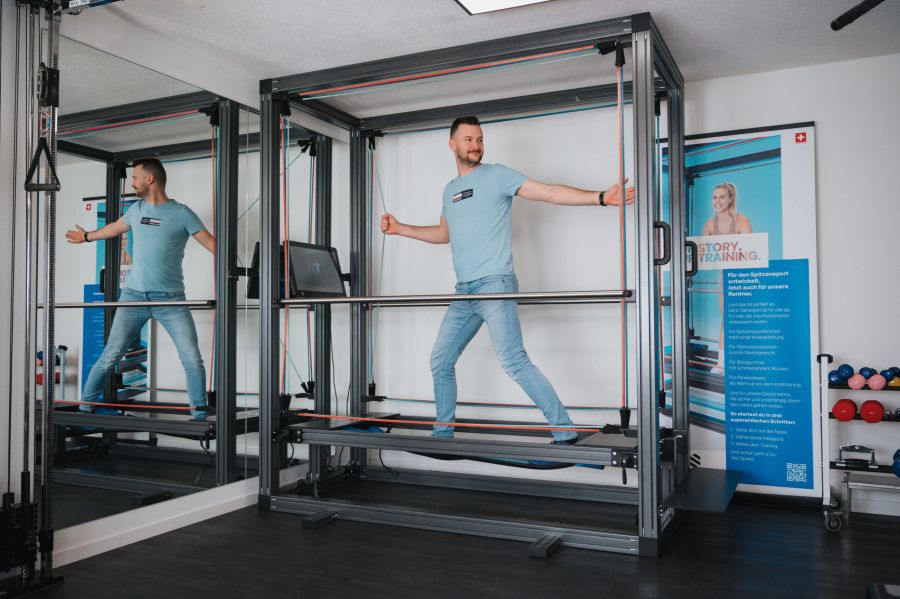
Medical Training Therapy (MTT) is active, equipment-based training under the guidance of a physical therapist. At Rike-Hus in Effretikon and Winterthur, we tailor the program to your specific diagnosis—as part of a medically prescribed physical therapy regimen.

What is Medical Exercise Therapy?

MTT is an active therapeutic approach: You exercise on machines and perform free-form exercises, guided and supervised by a physical therapist. The selection of exercises, intensity, and progression are based on your assessment and are adjusted over time.

At Rike-Hus, we view MTT as a bridge between treatment and everyday life. How strength, endurance, and confidence in movement develop varies from person to person.

Our training areas at Rike-Hus

Strength Training on Machines

Guided machines for controlled, targeted loading of individual muscle groups. We determine resistance and number of repetitions based on your assessment findings.

Functional Training

Exercises using your own body weight, dumbbells and small equipment, geared toward movements from everyday life, work and sport.

Endurance and Cardiovascular Fitness

Training on ergometers and comparable equipment, with duration and intensity adapted to your current capacity.

Sensorimotor Skills and Balance

Exercises for movement control, including with Sensopro. Used after injuries and for those at risk of falls.

Core Stabilization

Exercises for the muscles close to the trunk, frequently used for back complaints and after a prolonged period of rest.

Return to Sport

Gradual build-up of load toward your sport, coordinated with the guidelines of your treating physician.

Our training approach at Rike-Hus

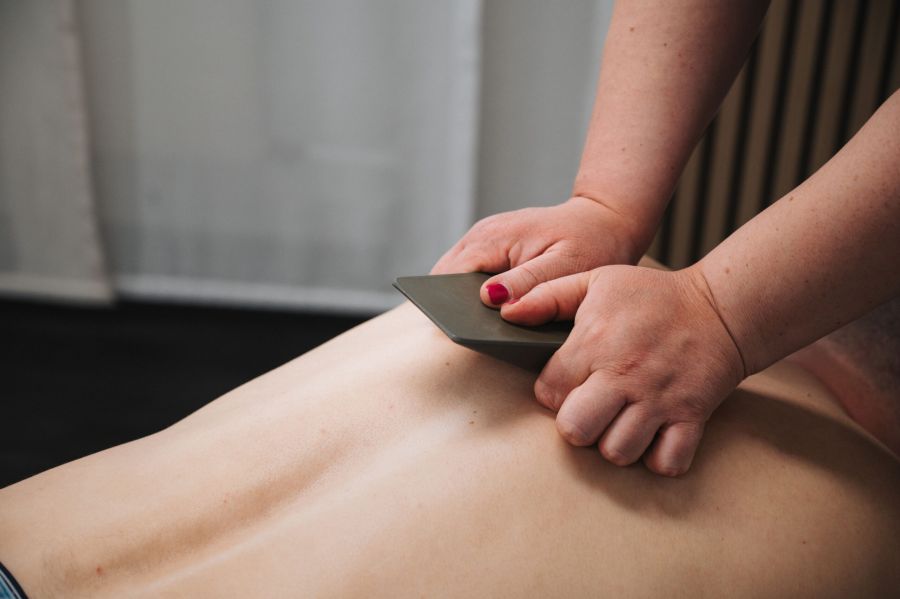
We generally do not use MTT on its own, but rather combine it with manual therapy and the other components of your treatment. Each session begins where your current condition allows.

Medical training therapy is characterized by ongoing monitoring of your performance and adjusting the intensity based on your progress. The goal is for you to be able to continue the program independently over time.

Benefits of Medical Exercise Therapy

Supervised Training

Your technique is monitored during the session and corrected where needed.

Controlled Loading

Volume and intensity are determined based on your assessment findings and gradually adjusted.

Rebuilding After Rest

Used after surgery, injuries and prolonged periods of rest, coordinated with medical guidelines.

Combinable

Can be combined with manual therapy and other physiotherapy measures.

Agreed Goals

We record what you want to work on and review your progress together over time.

Transition to Everyday Life

You learn exercises that you can later continue independently.

Who is Training Therapy suitable for?

Medical training therapy is aimed at people who want to actively work on their strength, mobility and physical resilience.
After surgery and injuries
For people who want to gradually resume loading after a procedure or an injury, within the limits set by their physician.
For persistent back and joint complaints
For people with recurring complaints who, alongside treatment, want to actively work on their strength and movement control.
Returning to work and sport
For people who want to gradually return to their usual level of activity after a prolonged period of rest. Whether and when this is possible is clarified in the assessment consultation.

Your path to training therapy in 4 steps

01. Initial consultation & assessment

Assessment of mobility, strength and physical resilience, your complaints and any contraindications.

02. Training plan

Selection of exercises, load and frequency based on the assessment findings and your goals.

03. Supervised training

Training carried out under guidance, with monitoring of technique and adjustment of the load over time.

04. Transition to independent training

An exercise program and practical recommendations that you can continue on your own.

Frequently Asked Questions (FAQ)

What is the difference from other physiotherapy?
MTT is a part of physiotherapy. The focus is on active, supervised training, whereas in individual therapy manual techniques may play a larger role. The two are often combined.
Do I need prior experience with equipment?
No. You will be introduced to every exercise, and your technique is monitored during the session.
How long does a training session last?
A session usually lasts between 30 and 60 minutes, depending on the program and prescription.
How often is training advisable?
We discuss this individually. There is no universally valid recommendation for frequency; it depends on your assessment findings, your progress and your own goals.
Is training therapy covered by health insurance?
With a medical prescription, medical training therapy is billed as part of physiotherapy through the mandatory health insurance (OKP). The scope and number of sessions depend on the prescription. If you wish to continue training beyond that, this is possible as a self-pay service. Please clarify cost coverage with your insurer beforehand.

Further offers at Rike-Hus

    Would you like to learn more?

    Let’s work together to determine whether a training program is right for your situation. Schedule an appointment in Effretikon or Winterthur.