
What is CLT?
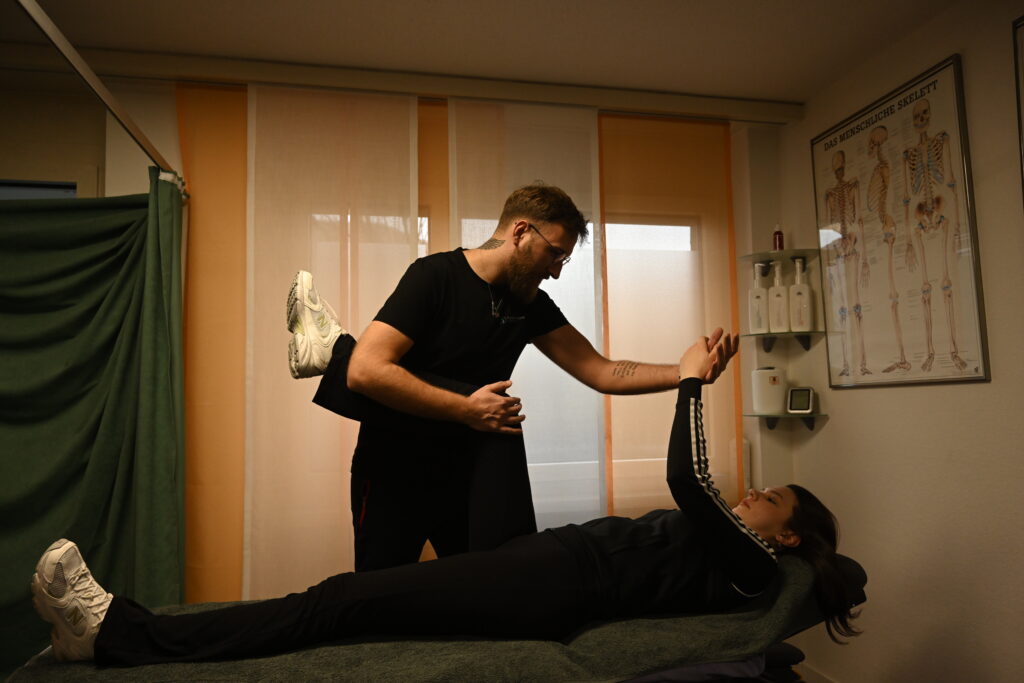
An innovative physical therapy method based on the activation of the body’s natural movement patterns. This technique does not view the body as a collection of separate muscles, but rather as an integrated system in which all functions work in symbiosis.
Coordinative Locomotor Training is founded on the principle that the body is most effectively activated through natural, everyday movements—such as walking, running, gliding, or lifting. Instead of isolated muscle exercises, CLT uses complex movement patterns that engage multiple muscle groups simultaneously.
Special focus is given to:
- The position of the sitting bones,
- Coordination between the upper and lower body,
- Shoulder blade positioning,
- Development of trunk stability.
Through this approach, deep stabilizing muscles are activated, resulting in improved body function and a reduced risk of injury.
How this technique was developed
The CLT technique was developed by German physiotherapist Britta Dietz, who combined the principles of Proprioceptive Neuromuscular Facilitation (PNF) with her experience in sports to create a more effective approach to functional movement and rehabilitation. This innovation led to the development of a modern physiotherapy method based on the integration of the body’s natural movement patterns.
Application, goals, and results of CLT
CLT is suitable for a wide range of users, aiming to support functional rehabilitation, optimize everyday movement, and prevent injuries.
The main areas of application and benefits can be summarized as follows:
1. Rehabilitation and pain relief
- Used in recovery after orthopedic and neurological injuries (e.g., joint surgeries, spinal injuries, stroke).
- Facilitates movement and effectively reduces acute and chronic pain in areas such as the lower back, neck, hips, and shoulders by targeting the cause rather than just the symptom.
- Speeds up the restoration of muscle function, reduces stiffness, and improves overall body balance.

2. Prevention and health maintenance
- Recommended for individuals with a sedentary lifestyle, poor posture, asymmetries, or increased risk of falls (especially seniors).
- Particularly beneficial for children with poor posture and for people experiencing chronic pain or body instability.
- Prevents injuries and supports long-term motor function and the health of the locomotor system.
3. Improvement of sports performance
- Athletes of all levels use CLT to enhance coordination, explosiveness, core control, agility, and faster recovery after exertion.
- Activation of lateral and oblique kinetic chains reduces injury risk and increases the efficiency of sport-specific movements—especially valuable in athletics, cycling, or football.
4. What improves with CLT?
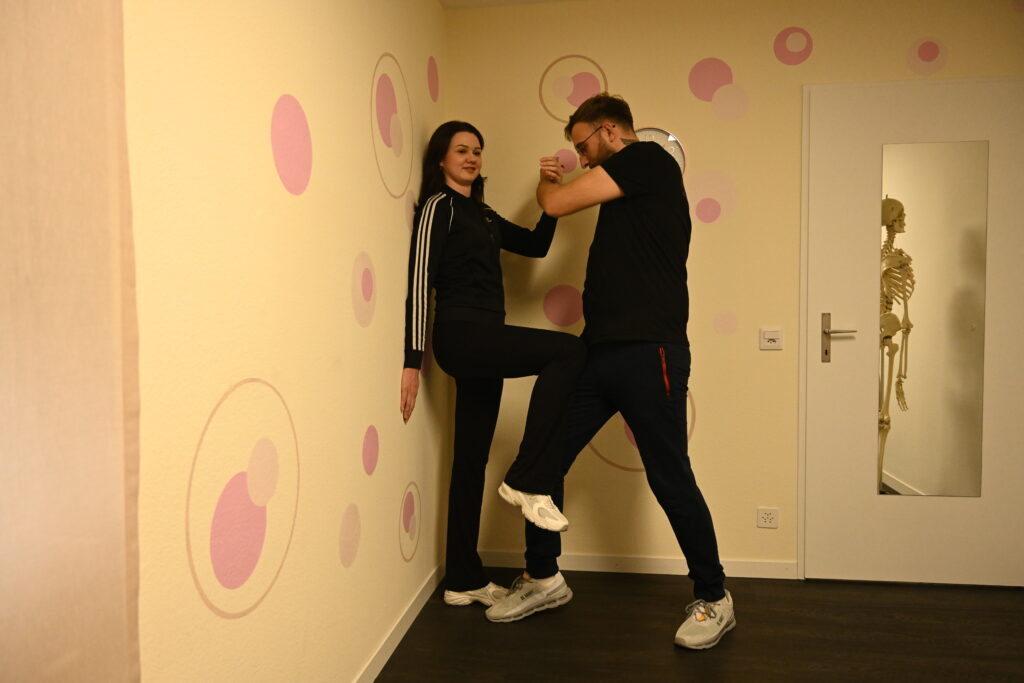
- Better trunk stability and upright posture through strengthening deep muscles and balancing strength between the left and right sides of the body.
- Increased functional range of motion, allowing easier and safer performance of daily and athletic activities.
- Pain reduction, faster recovery after surgery or injury, improved balance control, and enhanced gait quality—all crucial for everyday life and sports.
- Development of more precise and efficient motor control through the synergistic activation of the body during movement, ensuring automatic adoption of functional movement patterns.
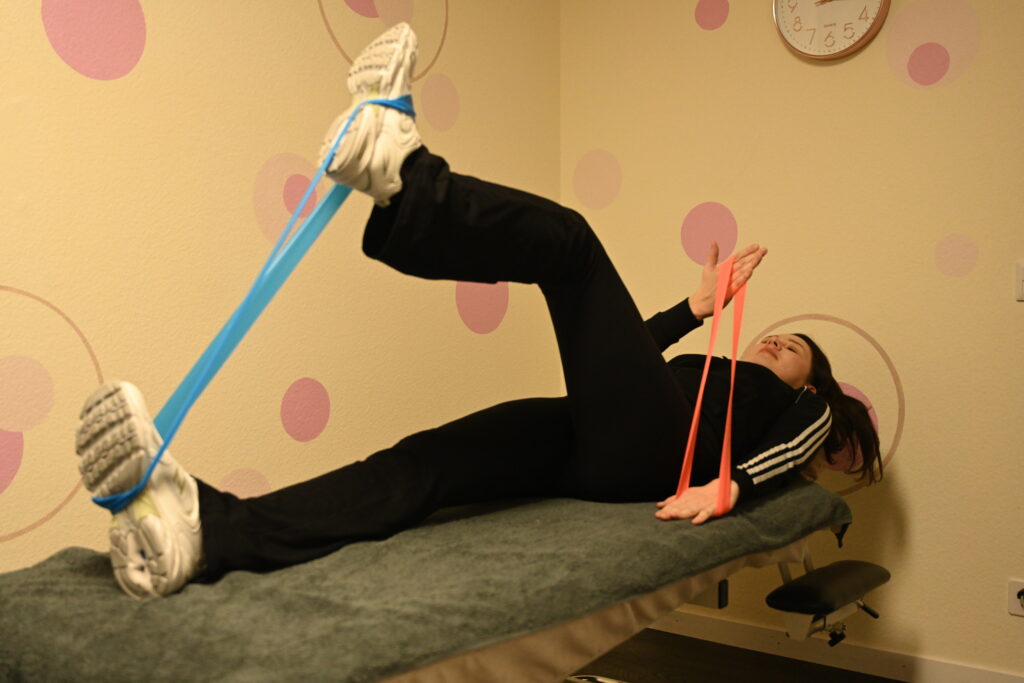
The first step toward the CLT method: Physiotherapy assessment
The first step toward beginning CLT training is a detailed physiotherapy assessment at our clinic. During the assessment, we evaluate your condition, take your medical history, analyze movement patterns and possible dysfunctions, and design an individualized therapy plan based on the results.
This assessment is essential for a safe and effective start to a CLT program tailored to your specific needs.