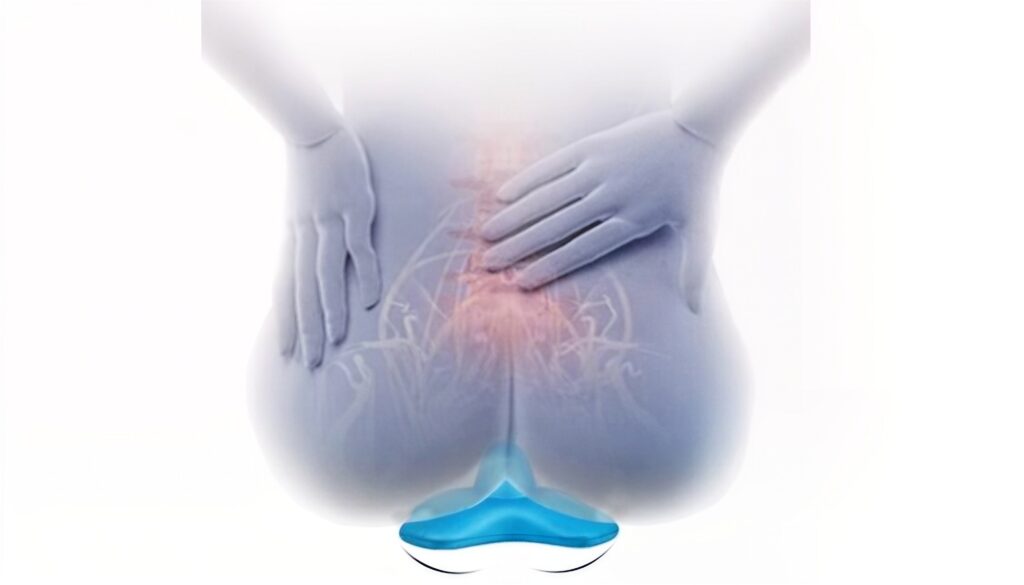
Pelvic floor training: small muscles, a big difference
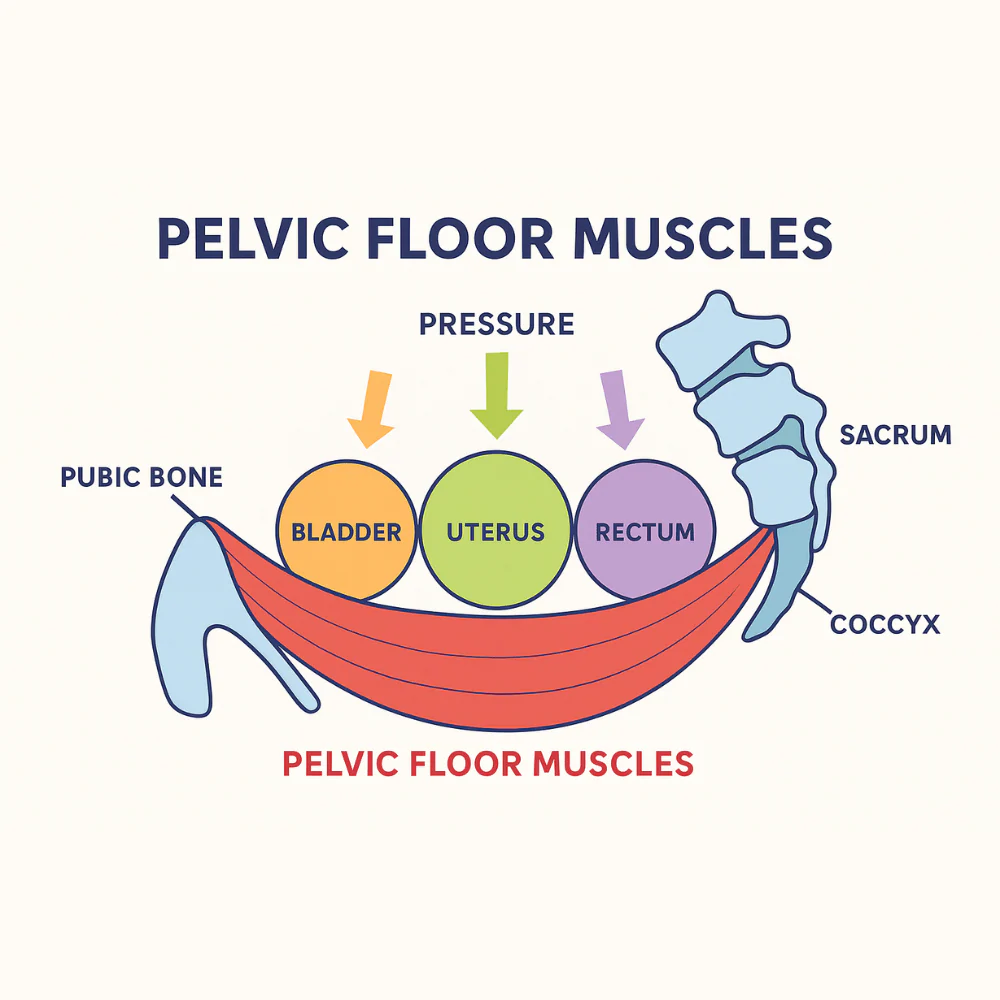
You may have never thought about them until a problem showed up. The pelvic floor is a group of muscles and connective tissue that “closes” the pelvis from below and keeps the pelvic organs in place: the bladder and bowels (and in women the uterus, in men the prostate). Because of this role, it contributes to bladder and bowel control, trunk stability, and sexual function.
The most important thing to understand is this: a healthy pelvic floor is neither too weak nor constantly tight. It is in balance. It can contract when needed (for example when sneezing, coughing, laughing, jumping, or lifting) and relax when needed (to urinate, have a bowel movement, or during sex).
Where it is and what it looks like
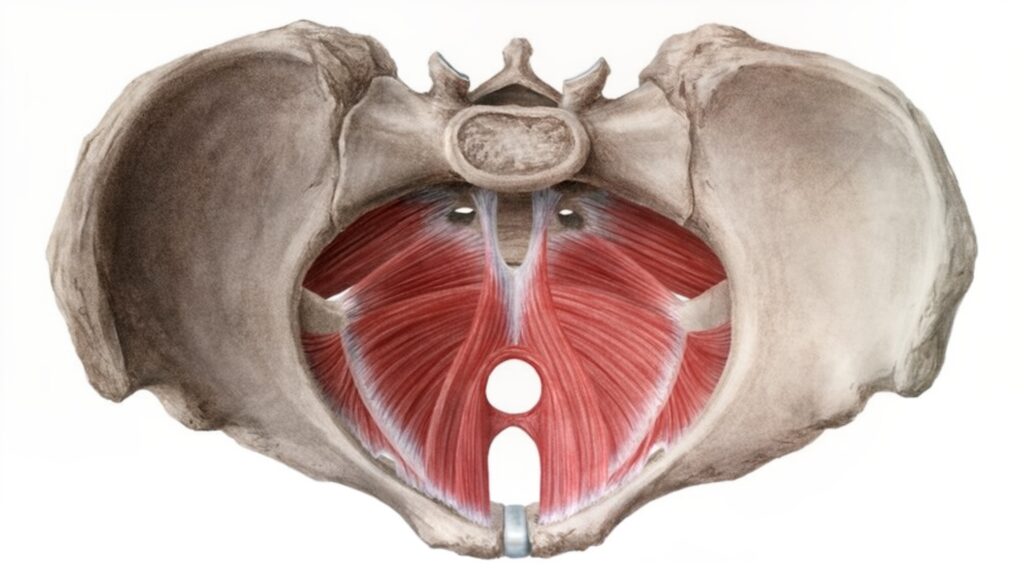
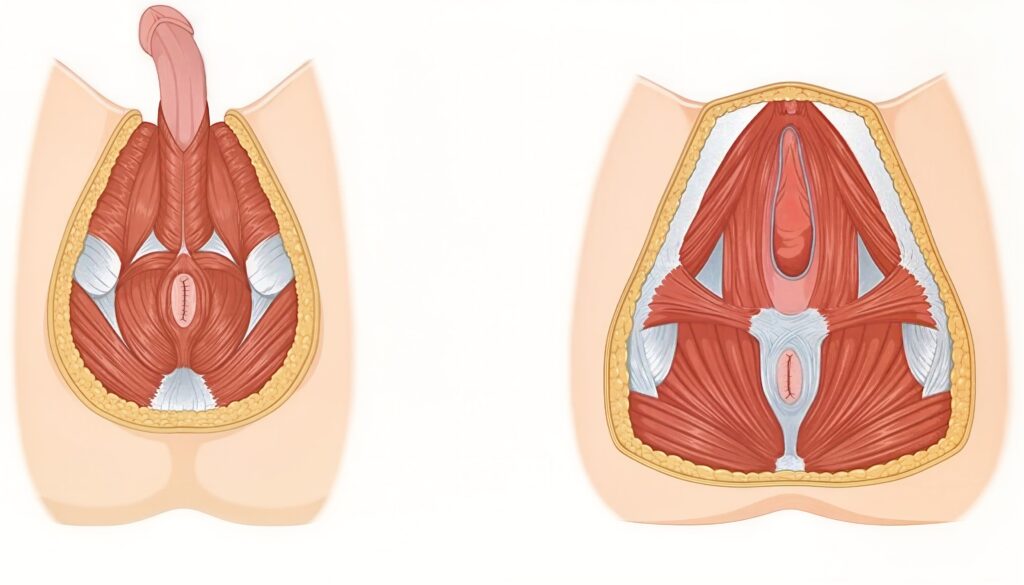
The easiest way to picture it is as a “hammock” or “sling” at the bottom of the bony pelvis. It stretches from the pubic bone in front to the tailbone in back and between the sitting bones on the sides, literally forming the floor of the pelvis. Openings for the urethra and anus (and the vagina in women) pass through this muscular “mesh,” which is why these muscles need to be strong enough, but also elastic.
Why weakness or excessive tightness happens
When people hear “pelvic floor exercises,” they often assume the only issue is weakness. In reality, some people have a pelvic floor that is too weak (it doesn’t support or “hold” well enough), while others have a pelvic floor that is too tight and has difficulty relaxing, which can also lead to control problems.
Sometimes there is a combination. For example, after childbirth the tissue may be weakened, but the muscles can also “guard” and stay tense because of discomfort or insecurity in that area.
Reasons the pelvic floor may weaken or lose good control include:
- Pregnancy and childbirth (changes in load, tissue stretching).
- Chronic constipation and straining on the toilet (repeated “pushing down”).
- Chronic coughing and/or higher body weight (repeated increases in pressure toward the pelvis).
- Prolonged sitting and poor posture (can maintain unhelpful patterns of tension and load).
- In men, after prostate surgery: urine leakage with effort can be part of recovery and changes in control.
Reasons the pelvic floor may become overly tight include:
- Pelvic pain and the body’s “protective tightening.”
- Situations where the muscles don’t relax enough for urination or bowel movements, so a person starts compensating by straining.
Symptoms of imbalance (in both women and men)
Symptoms occur in both sexes, but they may be described differently or appear in different stages of life. It’s important to know that the same symptom (for example urinary urgency) can sometimes be a sign of weakness and sometimes a sign of excessive tightness, which is why you need a trained professional to do an initial assessment.
More common symptoms when the pelvic floor is too weak:
- Urine leakage, especially with effort (coughing, sneezing, laughing, running, jumping, lifting).
- Dribbling after urination or a feeling of reduced control “at a critical moment.”
- Stool leakage or reduced control of gas.
- A feeling of heaviness or pressure in the pelvis; in women sometimes a feeling of “dropping” (prolapse).
- In men after prostate surgery: stress incontinence (leakage with effort) may be more pronounced.
More common symptoms when the pelvic floor is too tight and doesn’t relax well:
- Constipation, straining, a feeling of incomplete emptying, spending a long time on the toilet.
- Frequent urination or a strong sense of urgency.
- Discomfort or pain in the pelvic area; in women, pain during intercourse can be part of the picture.
If you recognize yourself in this, the good news is that in many cases a lot can be improved with the right assessment and a targeted plan.
Why it matters to learn both contracting and relaxing
The pelvic floor is not a simple “switch” that is only on or off. It needs to dose tension precisely: activate enough to prevent leakage, but also relax enough so urination and bowel movements happen naturally and without straining. That’s why some people don’t progress when they do only the classic “squeeze, hold, release” without understanding technique, because their main problem may not be lack of strength, but lack of relaxation and coordination.
How ALONEA can help
ALONEA PelvicTool is a device that uses biofeedback. It detects muscle activity and displays it in the app in real time, so you can more easily learn the difference between “I think I’m squeezing” and “I truly activated,” as well as between “I relaxed” and “I’m still tense.” The device is used externally (without insertion), in a seated position, and it can be used over light clothing, which makes training easier and more discreet for some people.
A key part of the process is professional assessment. A therapist first assesses the state of the pelvic floor (strength, endurance, coordination, and ability to relax) and then provides individualized instructions that the person uses while training with the device. That way the training is targeted, because not everyone needs the same exercises, and “stronger” is not always “better.”